




Dorset-based Amazing Face announces touch-up kit offer
Exciting things are happening at Dorset-based Amazing Face. Director and lead artist Caroline...

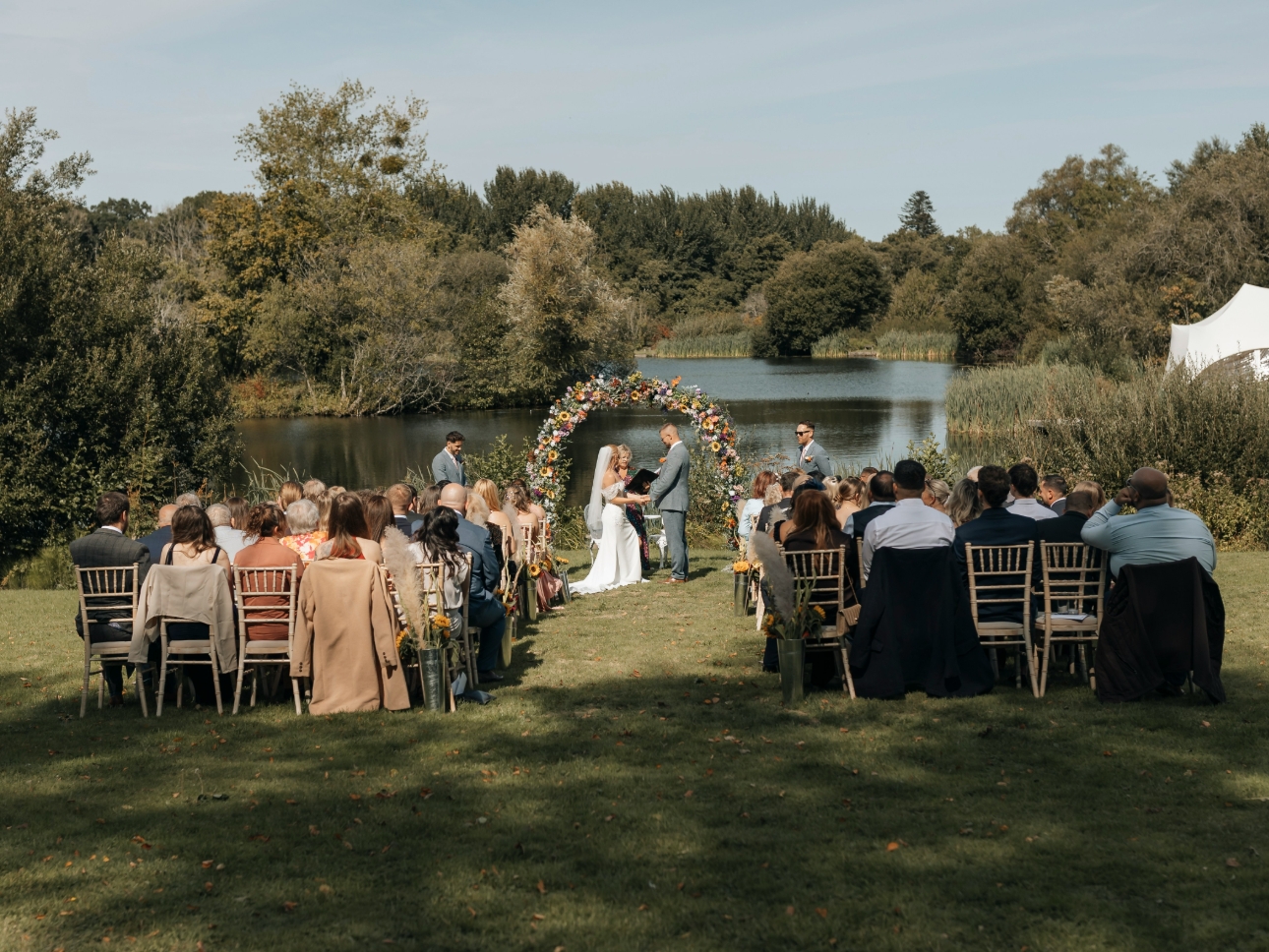
Planning a wedding is fun, stressful, time consuming. Couples want a ceremony that reflects their taste, is reflective of their love for each other and feels unique. The current restrictions in place can sometimes fetter that. Long-awaited plans to modernise weddings law in England and Wales could give couples far greater freedom over where and how they marry. It is hoped that they may be part of a much wider transformation of family law which is going through the biggest shakeup in decades.

|
Natasha Grande, Co-Founder and Partner at boutique family law firm G&G Law continues: The proposals, announced by the Deputy Prime Minister, Lord Chancellor and Secretary of State for Justice Rt Honourable David Lammy MP, represent some of the most innovative and significant changes to the law governing the officiating of weddings in more than two centuries.
The Government's proposals to reform marriage law are significant because they would move weddings law away from a system still rooted in the 18th and 19th centuries and towards a framework designed for modern couples. The current law is complex, inconsistent and often restrictive: different rules apply depending on the type of ceremony, the religion or belief involved, and the building in which the wedding takes place.
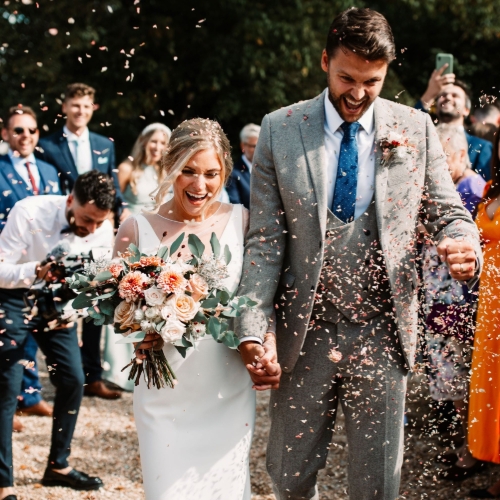
The most eye-catching element is the proposed shift from regulating venues to regulating the officiant responsible for the ceremony. In practice, that could mean couples are no longer confined to approved premises or traditional buildings. Instead, they may be able to marry in places that feel more personal and meaningful: a family garden, a woodland clearing, a beach, a lakeside, a barn, a field on the family farm, or another setting with real emotional significance.
The proposals also have an important symbolic dimension. They recognise that weddings are not only legal events but deeply personal ones, shaped by faith, belief, family, culture and place. By introducing more universal rules across different types of wedding, the reforms aim to reduce disparities between groups and make the legal process clearer, fairer and more inclusive.
For some couples, this could remove the need for two ceremonies: one legal and one personal or belief based. Humanist and other non-religious belief ceremonies, for example, could become legally binding if the reforms are implemented. Religious couples whose traditions do not fit neatly within the existing rules may also find it easier to marry in a way that reflects their beliefs without compromising legal certainty.
There would, however, still be safeguards. The Government has emphasised that marriage should retain its dignity and legal consequences. The question is therefore not whether weddings would become informal, but whether couples should have more flexibility while maintaining a clear, reliable framework for consent, publicity, registration and legal recognition. It is important that greater flexibility does not weaken legal protections against sham marriages or forced marriages, i.e. it should not interfere with the important principle that to marry both parties should give free and informed consent. It must continue to protect vulnerable individuals and guard against predatory marriages.
From a practical perspective, implementation could reshape the wedding industry. Rural estates, farms, private homes, gardens and outdoor spaces may become more attractive to couples who want a distinctive country wedding. Registrars, religious organisations, belief organisations and independent celebrants may all need to understand new responsibilities, and venues would need to consider how ceremonies can be hosted safely and respectfully in less conventional settings.
The timing is also important. The weddings consultation comes shortly after the Government opened a separate consultation on reforming financial remedies on divorce and strengthening protections for cohabitants when relationships end or one partner dies without a will. That consultation reflects the fact that more than 3.5 million couples live together without being married or in a civil partnership, yet many still have limited legal protections and may wrongly assume that "common law marriage" gives them rights.
Taken together, these developments suggest that family law in England and Wales may be entering its most substantial period of reform in decades. On one side, the law may be modernised to make it easier, clearer and more personal for couples to marry. On the other, the law may also be updated to address the financial realities of relationship breakdown, whether couples are married, in a civil partnership or cohabiting.
For couples planning a wedding, the message is one of cautious optimism. The proposals are not yet law, and the detail will matter. But if implemented, they could mark a profound change in how weddings are understood: less about fitting a ceremony into an outdated legal structure, and more about allowing couples to make a binding commitment in a setting, and in a form, that genuinely reflects their lives. For family lawyers we also take it as a sign that politicians are paying attention at last to family law and making time for reforms that will shape family life, in a way that is significant and respectful, taking into account that the times are changing.
Visit: gandglaw.co.uk