






The Overlooked Legal Steps That Could Invalidate Your Wedding
Planning a wedding in the UK comes with a surprising number of legal "gotchas" that...

More couples than ever are choosing to combine their surnames after marriage, but many are running into one unexpected problem: they can’t sign their new name. Searches for “combined surnames” have risen by 37% in the past month, according to new data analysed by luxury pen brand Scriveiner. Interest has been steadily increasing over the past year, with a clear spike in the lead-up to wedding season between late spring and early autumn.
Data from UK name-change service NameSwitch reveals an 18% year-on-year increase in couples choosing double-barrelled surnames, with combined names now accounting for around 12% of the thousands of name changes they process each year. While still not the majority choice, adoption is steadily rising. Recent figures show that around 6.6% of people now opt for a double surname when changing their name after marriage, up from just 4% in earlier studies. Crucially, intent is growing even faster than behaviour. One in four (25%) people say they have or would consider double-barrelling their surname, suggesting the trend is set to accelerate as more couples look for ways to reflect both partners in their shared identity.
The rise reflects a broader shift in how couples approach identity after marriage, with more people opting for shared, double-barrelled, or blended surnames instead of adhering to tradition. Public attitudes are also evolving. A YouGov survey found that nearly a quarter (24%) of Britons believe women should keep their own surname, while one in ten (9%) support combining surnames. A further 15% say the decision should be made on a case-by-case basis, highlighting a move towards more personal and flexible choices.
From high-profile couples to everyday relationships, naming traditions are changing. Figures such as Marco Perego-Saldana, who took his wife’s surname, reflect a move away from convention, while shared surnames like the Carter name used by Beyoncé and Jay-Z continue to shape perceptions of modern relationships.
The trend is also being amplified online, with couples sharing their double-barrelled surnames and new identities across Instagram and TikTok, particularly during peak wedding season. International data reflects a similar direction of travel. A Pew Research Center survey found that 14% of women in opposite-sex marriages keep their own surname, while 5% choose to hyphenate both names, pointing to a growing openness towards alternative naming choices.
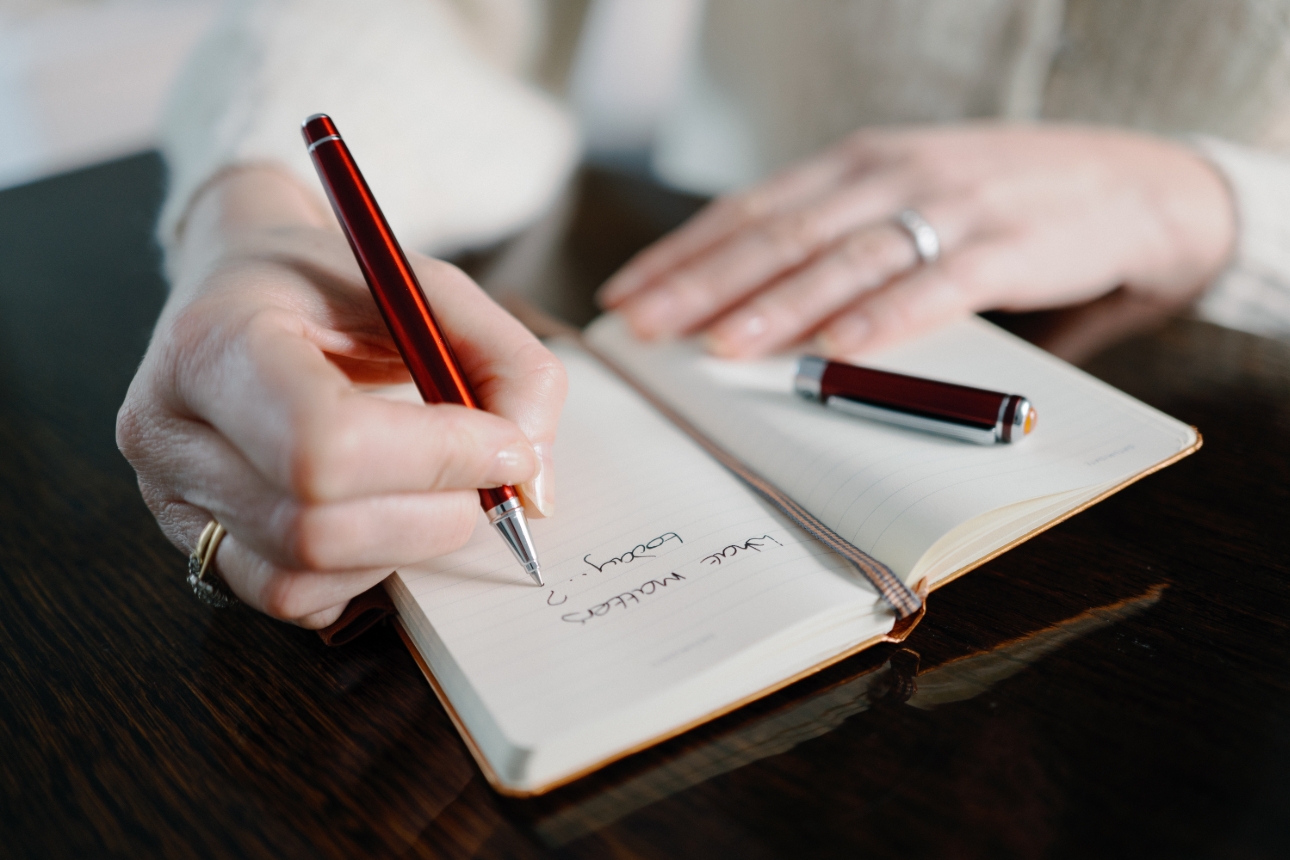
However, while the decision to combine surnames is becoming more common, the reality of living with that name can take some getting used to. One of the biggest challenges comes down to something most people never think about: their signature. A signature is typically formed early in life and rarely reconsidered. Changing it after marriage can feel surprisingly difficult, particularly when adapting to a longer or double-barrelled surname. In fact, research suggests that one in five Brits (20%) don’t have a consistent signature, highlighting how challenging it can be to reproduce something that once felt automatic.
Hanna Struk, an expert at Scriveiner, explains: “Your signature is a reflection of your identity as much as your name is. When that name changes, especially to a combined surname, it can feel unfamiliar at first. Many people are surprised by how difficult it is to sign something that once felt automatic.” She adds: “Longer surnames can disrupt the natural rhythm people are used to. There can be a tendency to slow down and focus on forming each letter, but that often makes a signature feel forced rather than natural.”
As combined surnames become more popular, many are rethinking what a signature needs to be. Rather than a precise version of a name, it is increasingly seen as something more fluid and individual. Hanna shares her top tips for creating a signature that feels natural and easy to repeat:
Keep it consistent, not perfect
“A signature does not have to perfectly match your full name. It needs to be consistent and comfortable to write.”
Start with what feels familiar
“Use your existing handwriting as a base and build from there.”
Prioritise flow over precision
“A good signature is fluid. You do not need to clearly form every letter.”
Simplify longer surnames where needed
“With double-barrelled names, it’s perfectly acceptable to shorten or stylise parts of the surname.”
Practise until it feels natural
“Over time, your signature should feel automatic again.”
Hanna concludes: “Choosing a new name is a personal process and more couples are looking for options that reflect both partners equally. Combined surnames are becoming a more visible choice, and we expect that to continue as attitudes evolve.” Visit https://scriveiner.co.uk